
Likewise Sheffield achieves micro-elimination of Hepatitis C
Likewise Sheffield, the city’s alcohol and drug support service, has announced a significant step towards the national goal of eliminating hepatitis C.
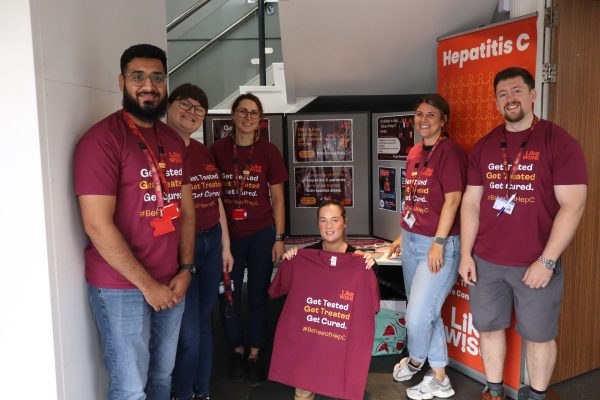

The service, which is led by the national charity Waythrough, has completed micro-elimination of hepatitis C for people who are at heighted risk of getting the virus – a groundbreaking achievement in public health.
Bettie Kirkssen, Sheffield Lead Nurse, who coordinated the project within the service said, “We are pleased to have reached this monumental goal that will improve health outcomes for communities in Sheffield. This achievement demonstrates how powerful partnership working is when facing public health challenges.
“We’re so proud of our staff for their hard work, and incredibly appreciative of the support we have received from our key partners. We remain committed to continuing our efforts to support those at risk and help the wider community benefit from the elimination of hepatitis C.”
Micro-elimination is a new way of tackling hepatitis C in local areas and works by breaking chains of transmission. Likewise has successfully identified, treated and cured people most at risk of the getting the virus, through targeted interventions of those most at risk.
The achievement is the result of collaboration with regional healthcare providers, such as The Hepatitis C Trust, Sheffield Teaching Hospitals’ Viral Hepatitis Specialist Nurses. They ensured the availability of resources, funding, and expertise needed to micro-eliminate the virus in these populations
Deborah Moores, Waythrough’s Hepatitis C National Co-Ordinator, explained that Hepatitis C treatment “is a chance to stop a- lifelong infection in its tracks, and for many it can mean the difference between living with a chronic illness and living fully again.”
The micro-elimination of hepatitis C in Sheffield not only improves health outcomes for those directly affected but also serves as a model for other cities aiming to achieve similar success. Likewise remains committed to continuing its efforts to support those at risk and help the wider community benefit from the elimination of hepatitis C.
Hepatitis C is a blood-borne virus that, if left untreated, can cause severe liver damage, including cirrhosis and liver cancer. However, with the advent of new treatments, the virus can now be cured in most cases, making its elimination a realistic and achievable goal.
Messages of support from our partners:
From South Yorkshire, Bassetlaw and North Derbyshire ODN
“I’d like to say congratulations to LikeWise in Sheffield for their momentous achievement in delivering micro–elimination of Hep C. I know the team at Portland House have worked extremely hard to prioritise BBV testing and ensure prompt referral of their clients for treatment if diagnosed. This has made a significant impact on the quality of life of LikeWise clients with Hep C, something that all stakeholders in the programme should be proud of.
“I’d also like to acknowledge the efforts of the Hepatitis C Trust and Sheffield Teaching Hospitals’ Viral Hepatitis Specialist Nurses in supporting clients to accept the importance of testing and linking them into the treatment programme. Well done to Debbie, Darren and Caroline from the national team too – another Waythrough service who have been supported to deliver micro–elimination.
“Best of luck to everyone in maintaining this hard-won micro–elimination status.”
Greg Fell, Director of Public Health, Sheffield President, Association of Directors of Public Health:
“This has been a long-standing objective for quite some time, and elimination of any disease requires a high level of focus and discipline over a long period of time. It’s impossible to understate how big a deal this is, testament to staff members for doing stuff well, doggedly and ensuring that delivery is done to a high quality. It will undoubtably improve outcomes & change lives. It is a stellar example of being able to demonstrate the impact of prevention, where “success” is “nothing bad happens”, which as we know is incredibly difficult to count”.
Filed under: News